
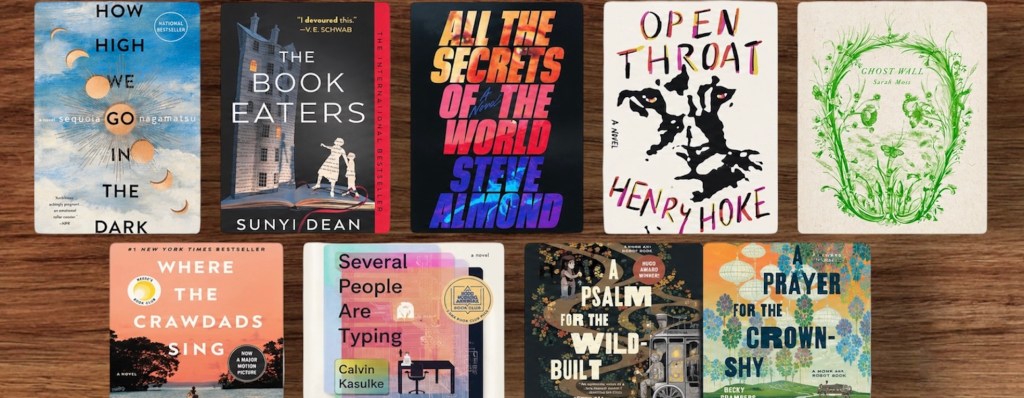
Nine Books in Seven Days After Years of Saying I Hated Reading
The other day, while my partner and I sat across from each other on the couch, I asked them to recommend a book. The night before, I had been thinking about how I should try to read more and how, if I did it intentionally, it could make me a better thinker and writer.
I have always said I hated reading, other than academic texts, particularly obscure Danish philosophy. Kierkegaard could hold my attention. I also loved The Hunger Games series and Jon Krakauer’s books, but reading required a kind of sustained focus I often lacked.
My partner handed me A Psalm for the Wild-Built.
After that, my brain craved more words.
Over the next seven days, I read nine books. They were books my partner had read and recommended, or books I pulled from their shelves in the wee hours of the night because I had finished one and needed another.
I had become bored with television shows recycling the same tired plots and characters in different fonts and settings. Books felt more alive. My concentration returned faster than I expected, and each ending made me want another beginning.
My partner has always known how to light the fire beneath parts of me I thought had been snuffed out, whether they held a hobby, passion, desire, or talent. I do not know whether this renewed love of reading came from age, boredom, wisdom, love, or some combination of them.
I am not complaining. In fact, I want more books.
Content note: Several of these books contain sexual violence, predatory abuse, domestic violence, child death, and other distressing material.
1–2. A Psalm for the Wild-Built and A Prayer for the Crown-Shy
Becky Chambers
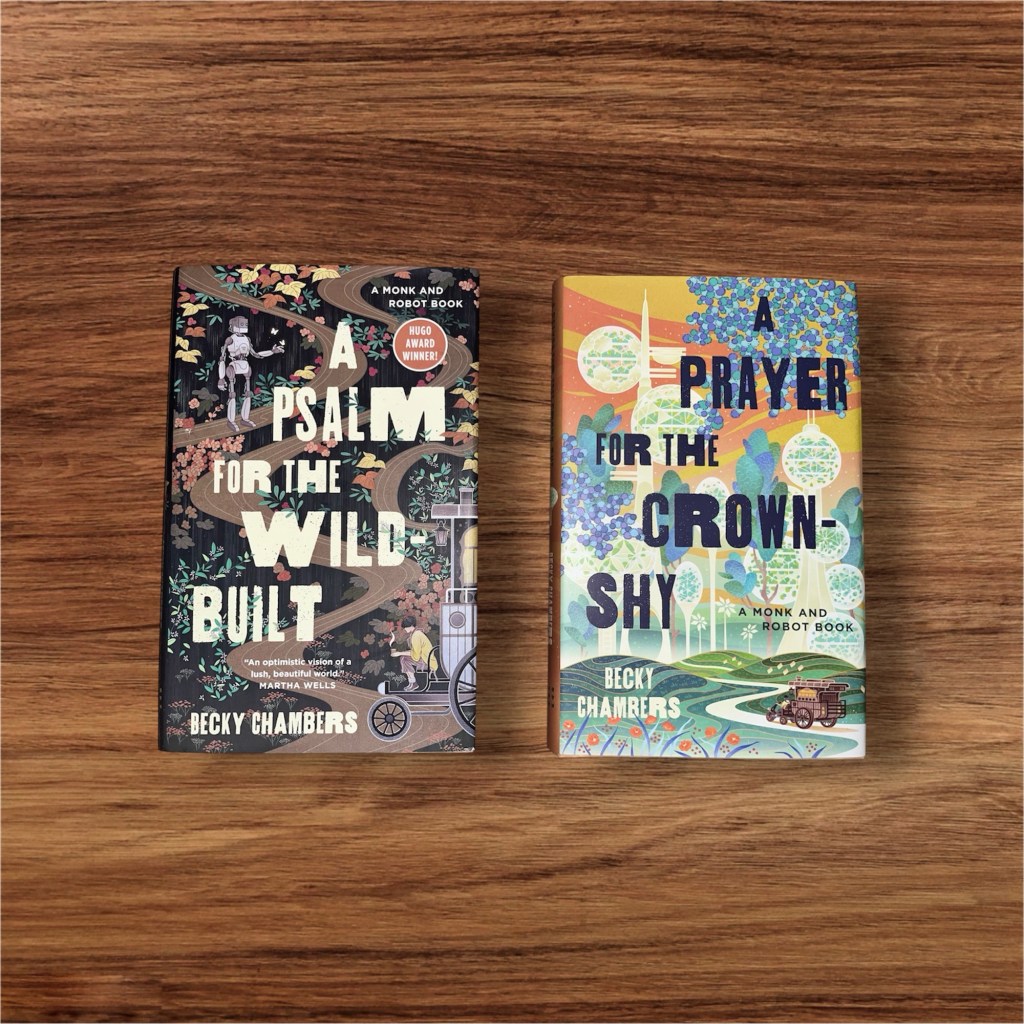
These books have a philosophical feel, reflecting on what it means to be a person, what deserves rights, and which qualities consciousness possesses. Yet there are no intense didactic debates or lessons on morality. Instead, morality, humanity, identity, loneliness, friendship, jealousy, love, and restraint are explored through experiences almost anyone can understand. Dex and Mosscap are equally uncertain and leave forever changed. It is a feel-good, queer first-contact story, reminiscent of a fable: simple, human, hopeful, and full of deep introspection hidden inside playful banter and silly, pointless bickering.
3. Open Throat
Henry Hoke
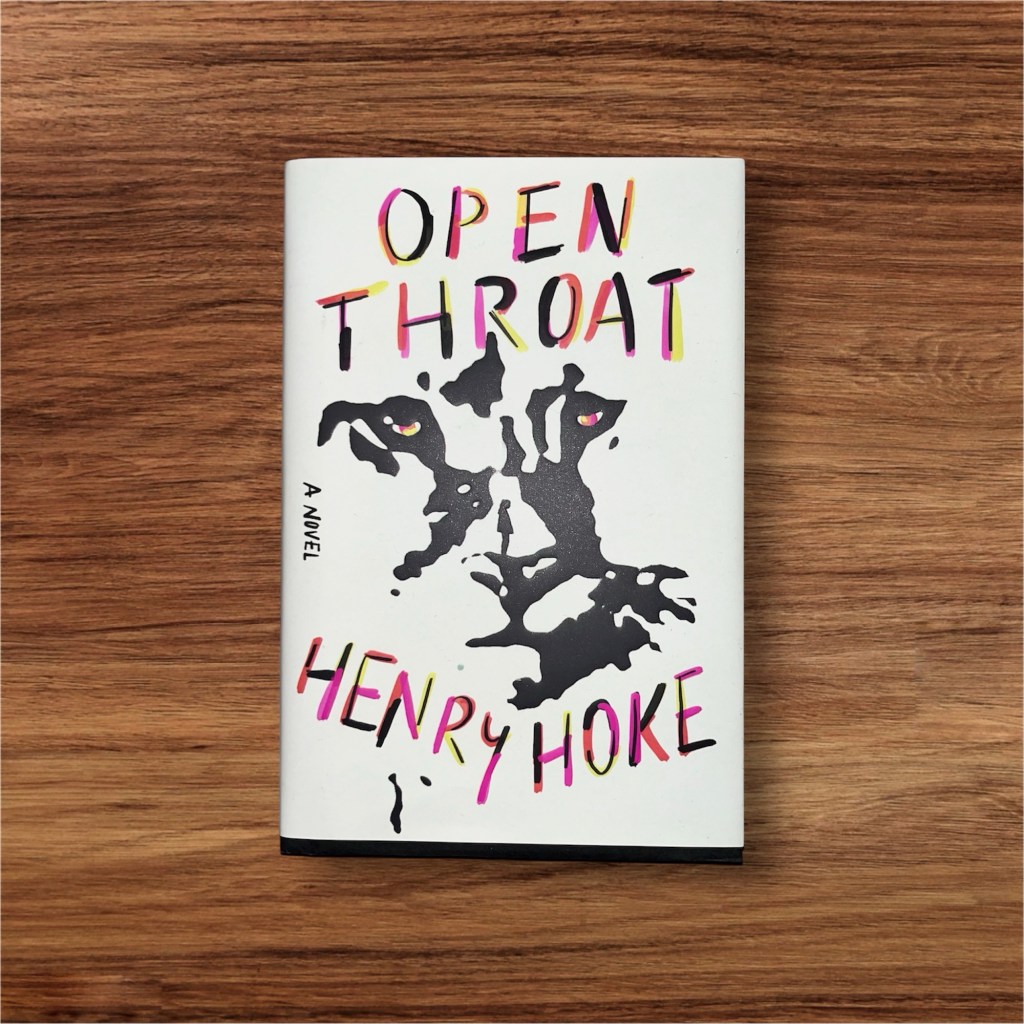
This book took me out of my human experience and placed me inside the body of a mountain lion. Its broken sounds and scattered thoughts are formed from what the animal has learned from humans: scarcity becomes “scare city,” Los Angeles becomes “ellay.” The lion shows restraint, protects the unhoused people it calls “my people,” and provides warmth and sanctuary to someone who needs it more than the animal could ever comprehend. Meanwhile, humans invade its territory, frighten it, and make it feel unwelcome. The ending hit like a dagger, becoming an indictment of displacement and human entitlement.
4. Several People Are Typing
Calvin Kasulke
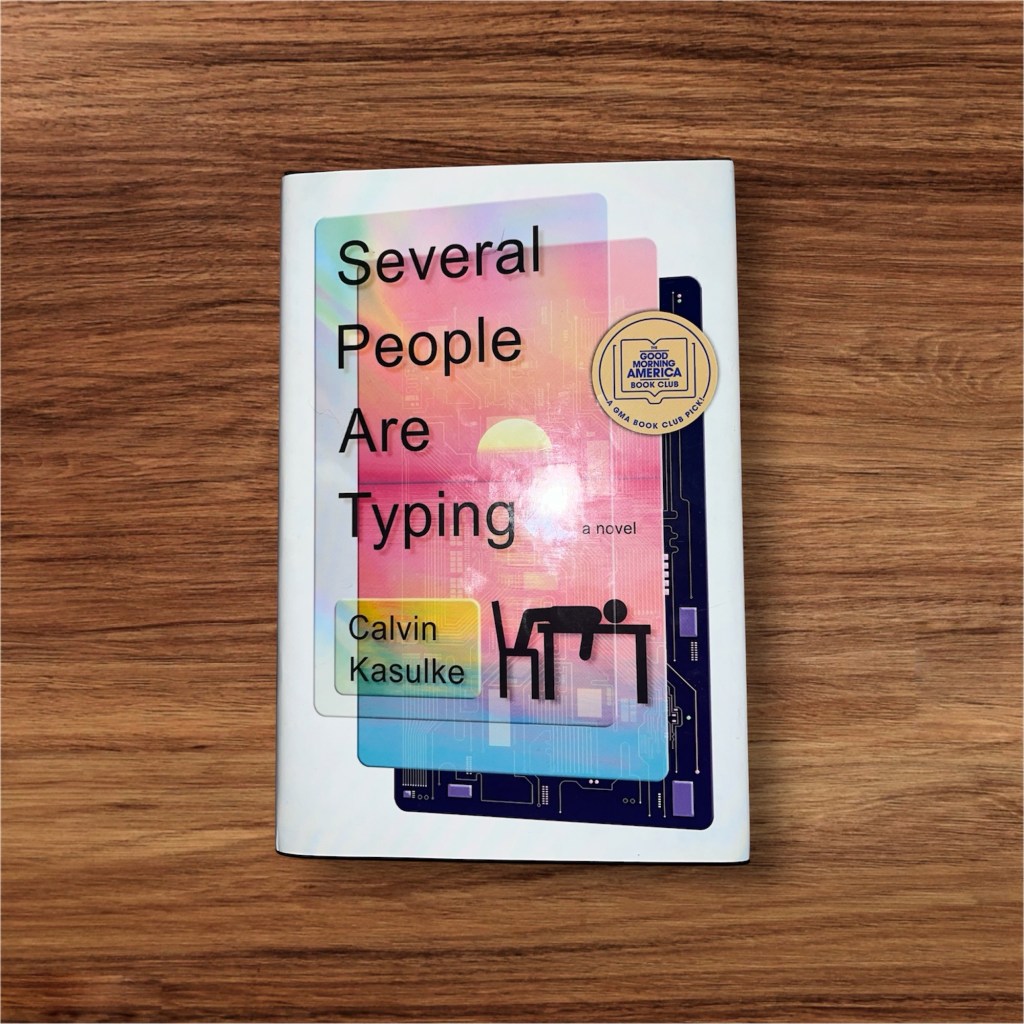
Despite being more than 300 pages, this was an easy, quick, and thrilling read, especially for anyone who has used Slack. The story is intense but filled with levity, passion, corporate absurdity, and a queer romance that made me happy to see represented. Gerald’s imprisonment becomes an obvious broader commentary on autonomy, existence, and being stuck inside the machinery of capitalism. We watch him lose his sense of self and find contentment in sunset GIFs instead of vacation time. It is not going to shake you to your core, but it will take you for a fun ride.
5. Where the Crawdads Sing
Delia Owens
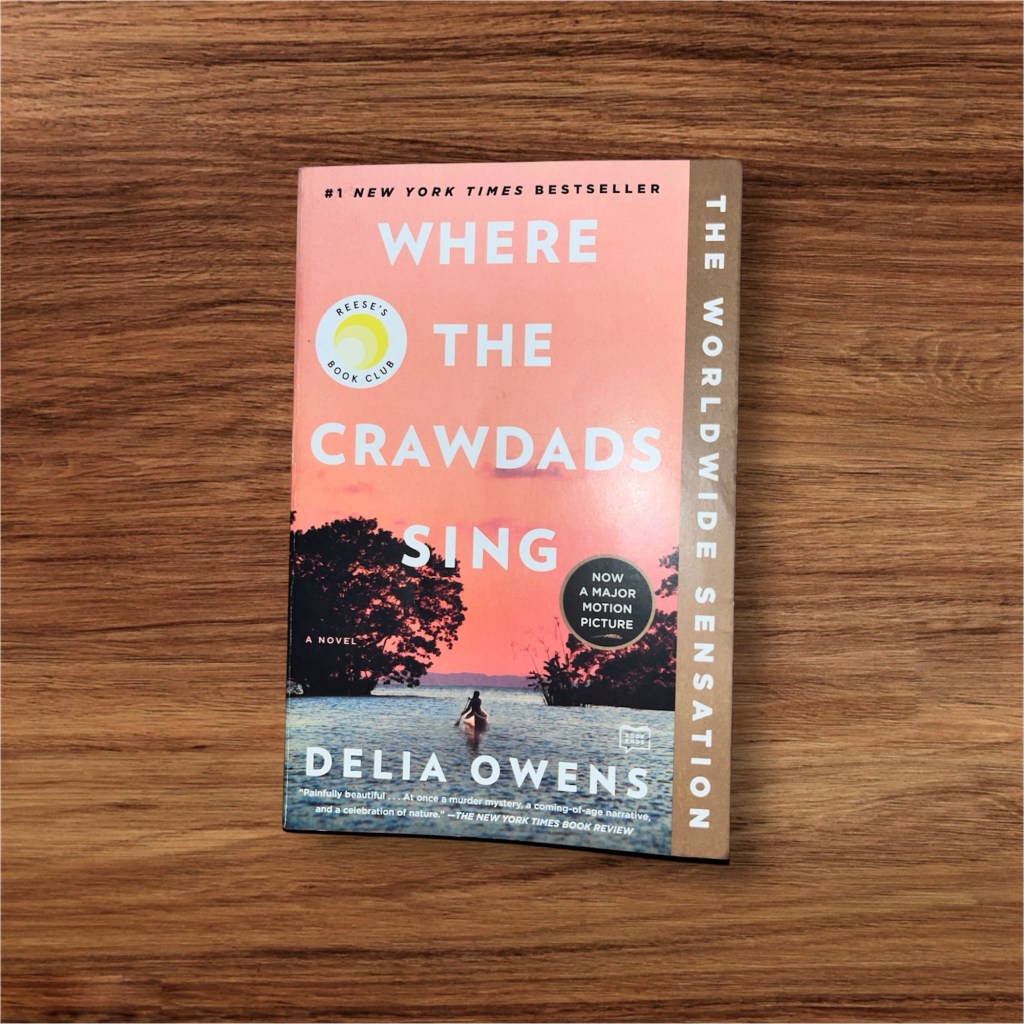
After Several People Are Typing, I needed to make tea and slow down. This book required more time and intention. Kya faces abandonment, poverty, class stigma, misogyny, sexual violence, betrayal, and the cruelty of a town determined to misunderstand her. Jumpin’ and Mabel become the family she chooses because those who were supposed to stay always leave. She teaches herself, paints, studies the marsh, and becomes a published author. Nearly every man betrays her, including Tate, whose love may be sincere but whose abandonment repeats her oldest wound. The marsh becomes sanctuary, teacher, and a model for survival.
6. All the Secrets of the World
Steve Almond
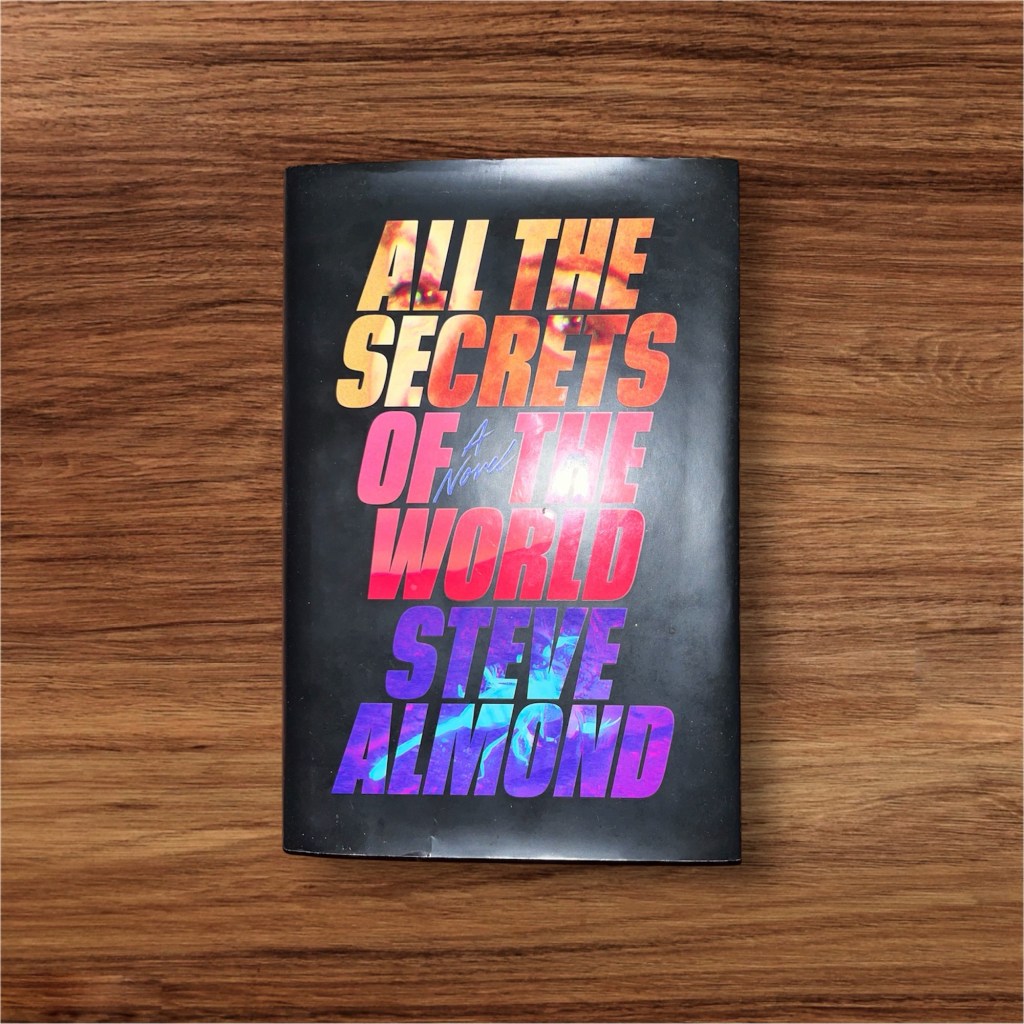
I struggled at first because parts of the sexual violence felt overly descriptive and used trauma as spectacle. As a survivor, I needed to put the book down and take a break. Not everyone can stick through material like that for their own mental health. Still, the predator’s tactics were immediately obvious to me: gradual boundary testing, manipulation disguised as care, and a different mask for every person around him. The protagonist reclaims authority over her story after the police and legal system fail her. She finds justice, but there is collateral. Survival proves stronger than one shard of darkness, although not everyone survives its path.
7. Ghost Wall
Sarah Moss
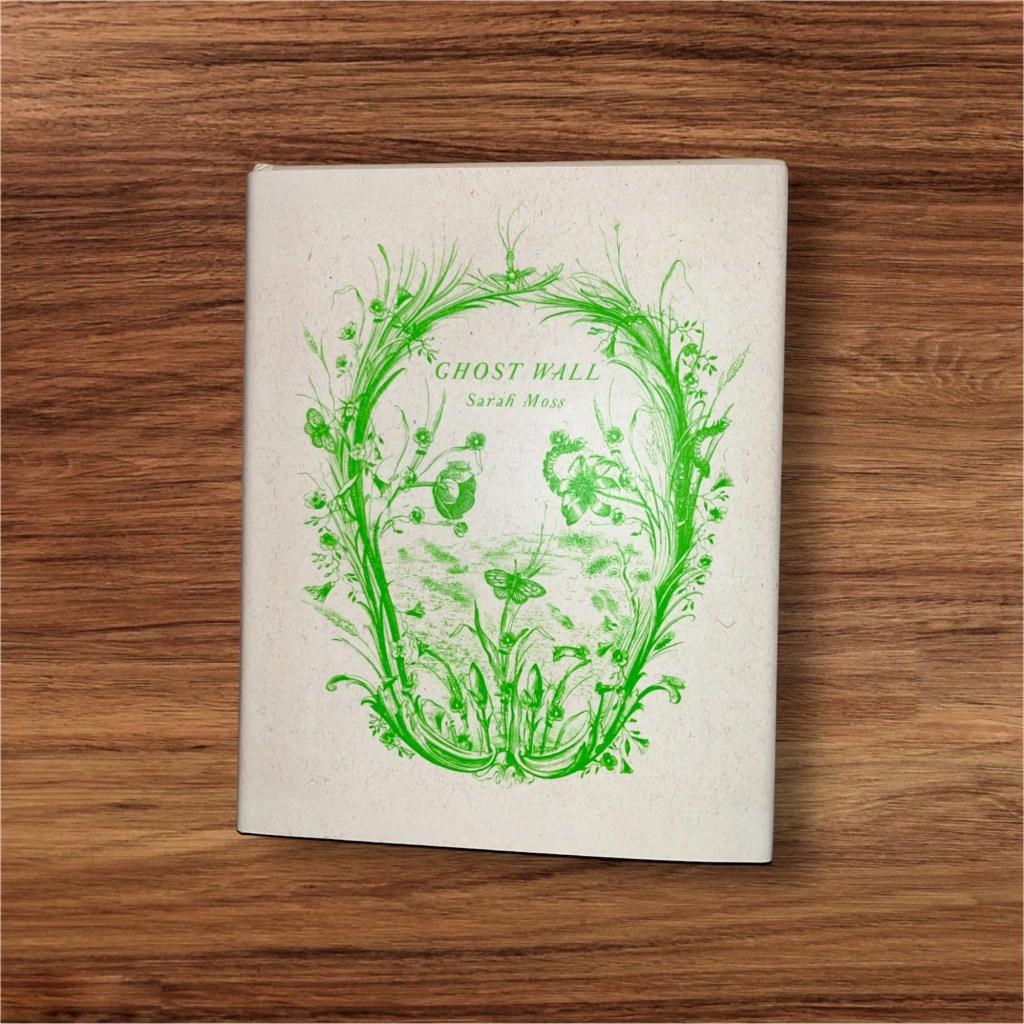
The absolute absence of quotation marks made this difficult to enter, but once I adjusted, I found a raw story about the kinds of abuse that can exist within a family. It shows how an abuser convinces everyone around him that they deserve his violence, and how quickly others will allow something unacceptable to happen. Molly recognizes Silvie’s situation and arrives like a knight in lesbian-clad armor, offering queer possibility, sanctuary, and a life beyond her father’s control. Their relationship felt earned, and the ending was warm, but I wanted more closure for a character who deserved and was owed more.
8. The Book Eaters
Sunyi Dean
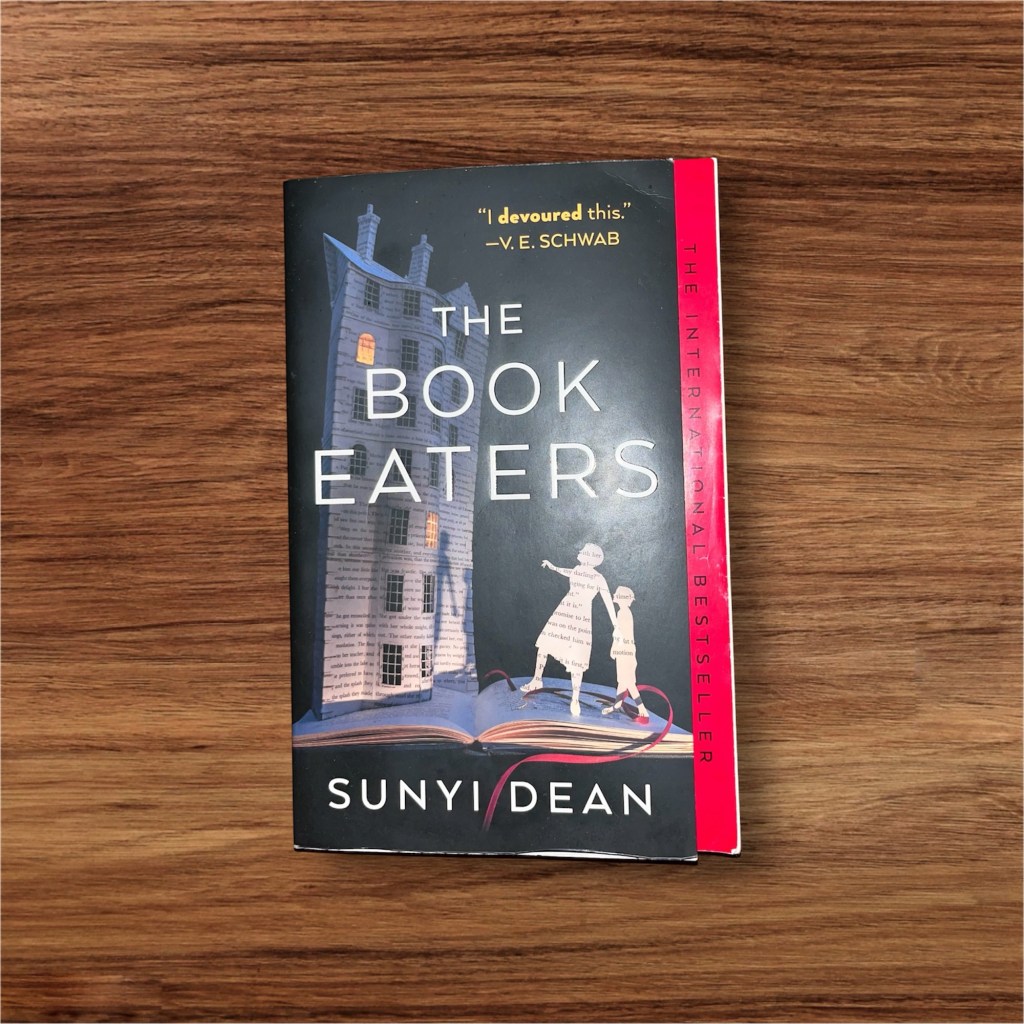
One of my favorites of the week. This is a story of revolution and the quest for equity inside a patriarchal vampire society reminiscent of The Handmaid’s Tale. Women are called “essential,” but only because they can bear children. These are not your run-of-the-mill Dracula vampires or the twinkly titsoak emo goths of Twilight. The lore feels fresh, queer love abounds, and Devon’s fight to protect her child demands rebellion against everything that shaped her. Her choices are dangerous and morally compromised, while her fear, exhaustion, love, and resentment make her feel like a real mother rather than an idealized heroine.
9. How High We Go in the Dark
Sequoia Nagamatsu
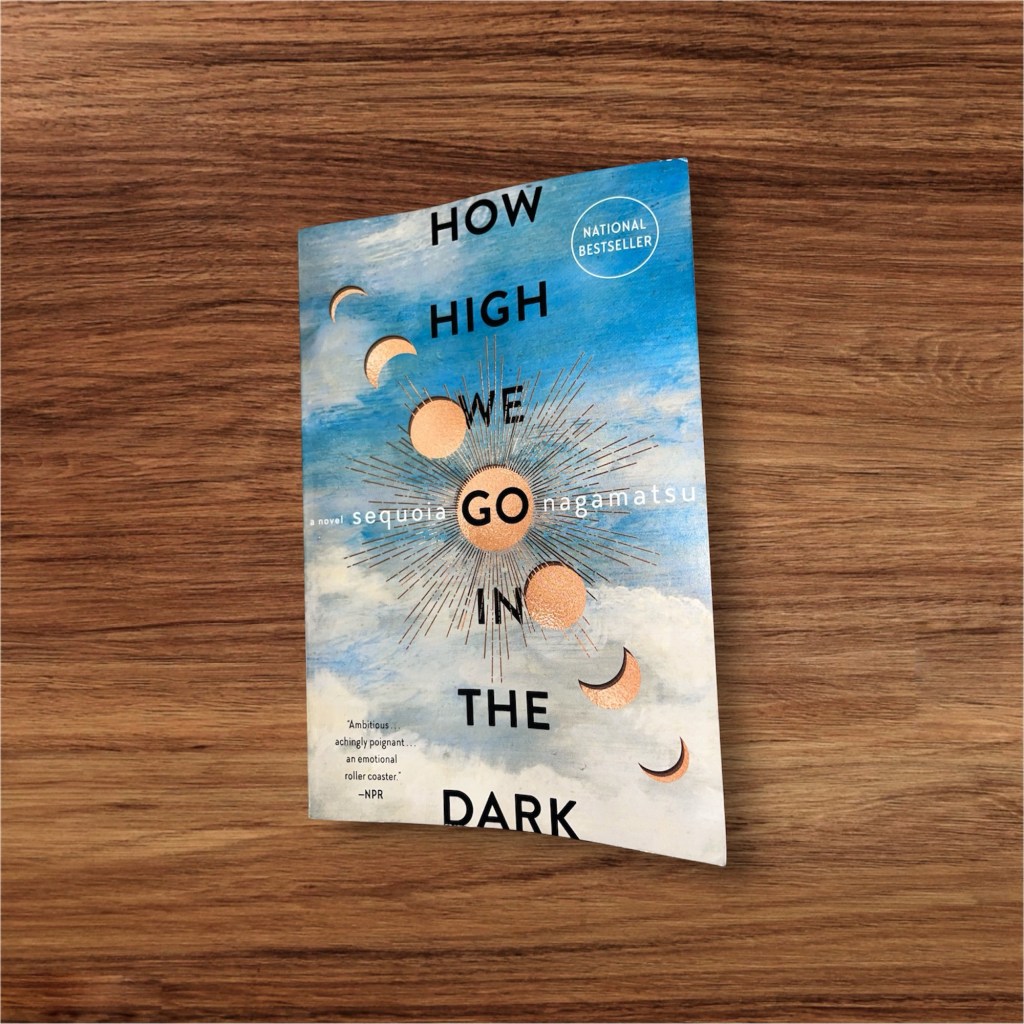
For anyone who enjoys episodic television with shifting perspectives, this follows several stories across one timeline spanning nearly a thousand years. A virus devastates Earth, but the book is less about the disease than mortality, family, grief, climate, legacy, and the possibility that our quest for advancement may become our downfall. Its inventions are sometimes horrifying, especially the euthanasia park for children. As a mother, I read those scenes clutching the corners of the book, my bottom lip quivering. The stories connect with enough intention to avoid overexplaining, showing how every life leaves a mark long after it ends.


Leave a Reply